Danish
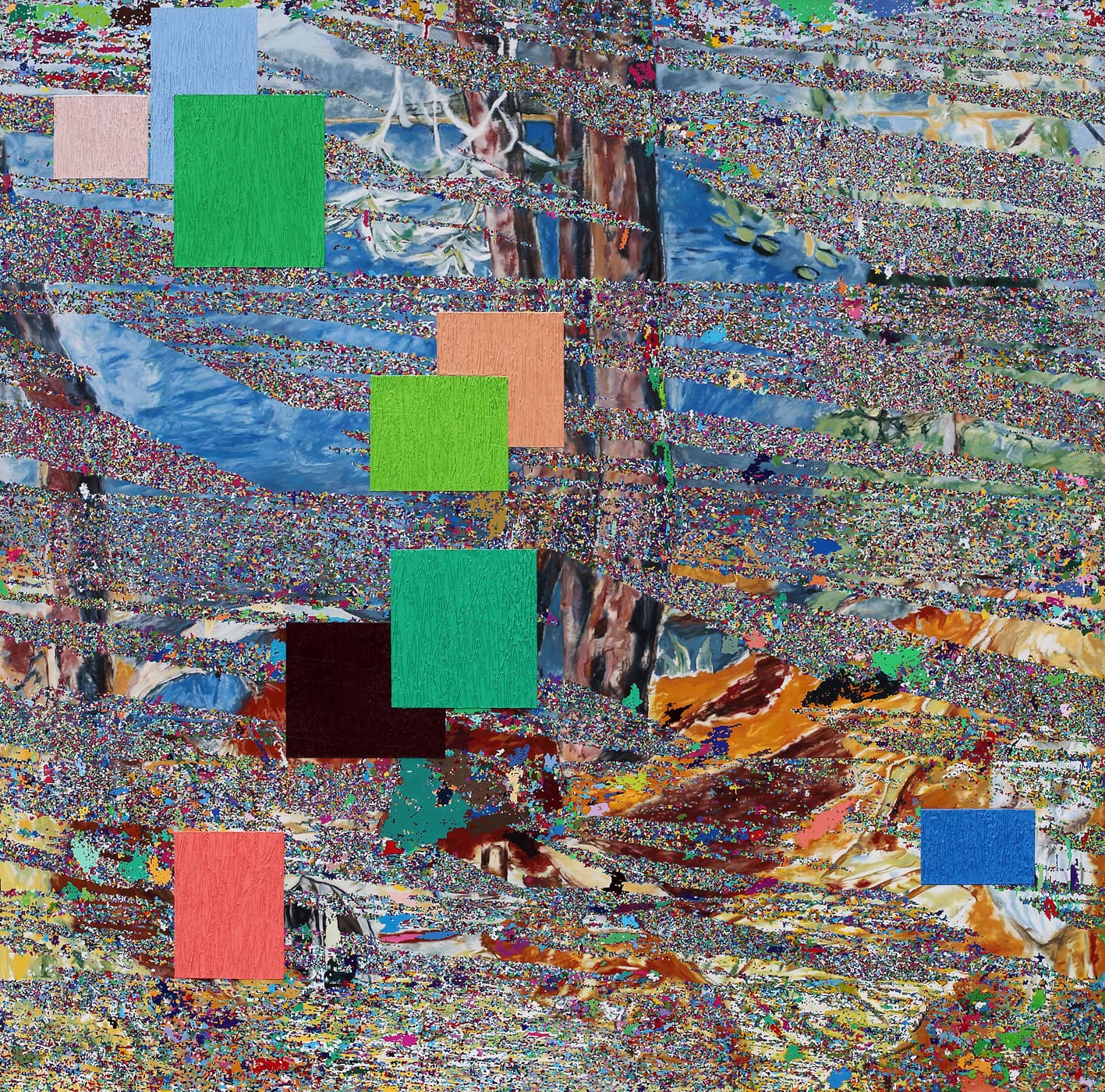
2015
- Type
- Painting
- Materials
- Oil on canvas
- Dimensions
- 300 x 303 cm
Context
WANG Yuyang # Series
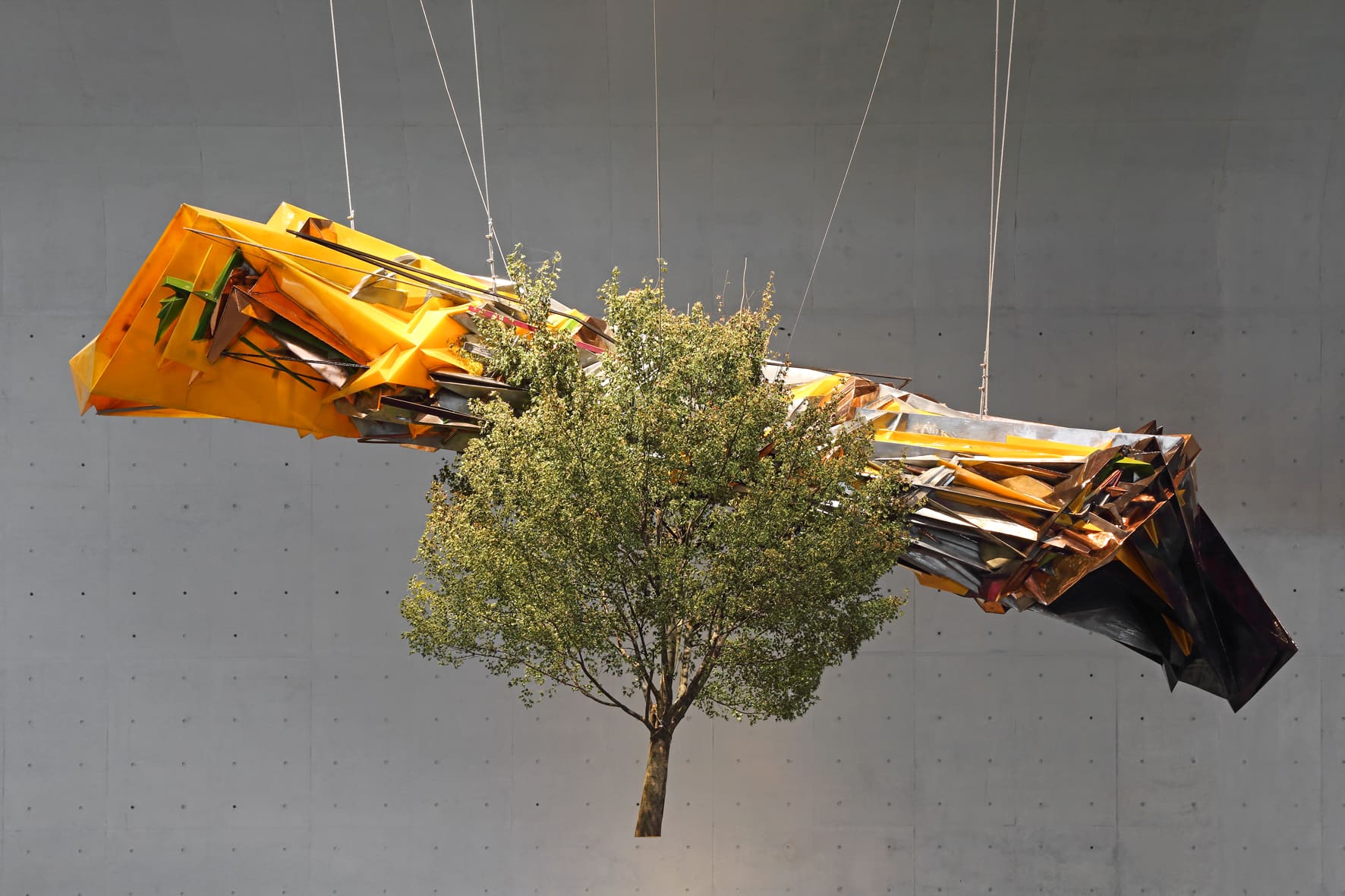
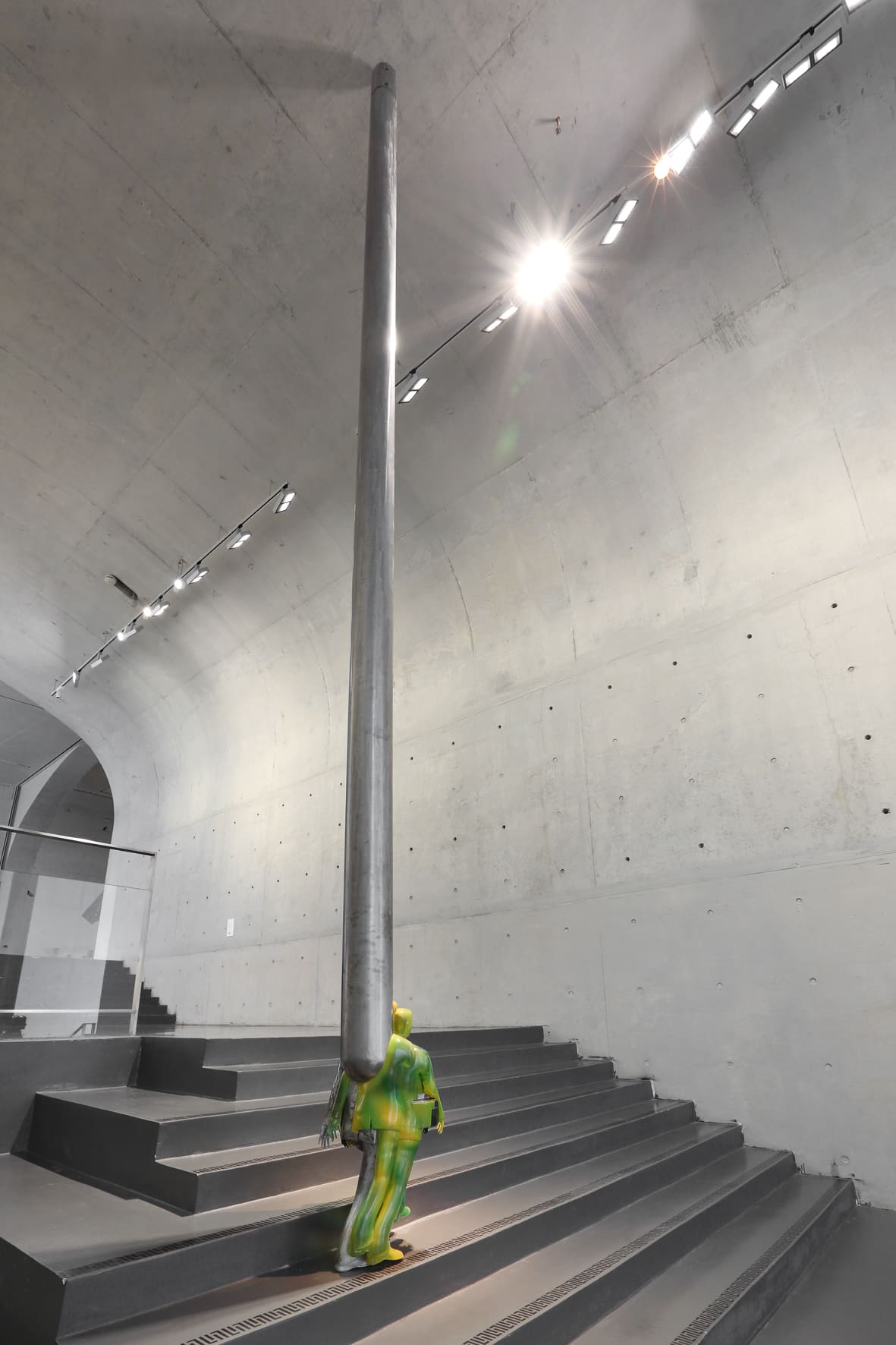
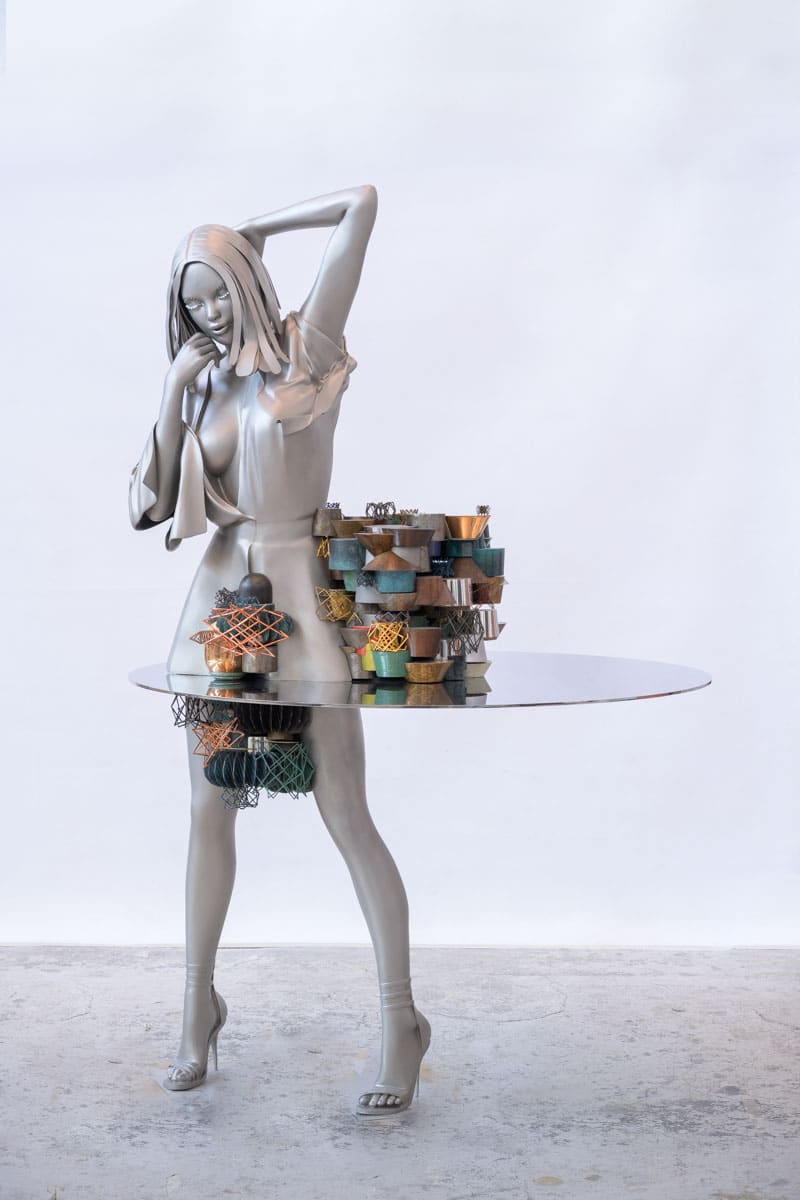
By making a program that could generate ‘artworks’, the program itself becomes ‘the artist’.
First, an information database that includes a huge amount of information will be created. It contains images, videos, texts, sounds, 3 dimensional models, motions, equations and the generated results during different times. These data becomes the source for the computer to read and provide the source materials for the work.
Then, a program is set makes the computer read the internet sources spontaneously. Both the database and the internet resources are extracted by the computer no matter of its kind or size. These messages are then processed by the computer into orders or other kinds of documents (e.g. image, 3 dimensional models, texts, etc.).
At the same time, with reference to artworks in the art history, the resources are then separated and concluded in forming different equations.
At last, the creating process, its habits and the paths could be concluded into creation patterns, logics and steps. This sets of rules and steps are then being written as a program in order to control the whole system and all equations.
Once the program switched on, it would no longer be under control or foreseeable. It would randomly make its choices, the content are also formed randomly. At a random time it generates a random results and ‘name’ the work randomly. The randomness is its ways of thinking, its characters, its knowledge background and its work practice. The randomness makes the computer a creator.
While this program creates a variety of works through its ‘randomness’ logic and habits, The artist, by following the standards and of the program’s request, becomes the practitioner on realizing the physical work.
Finally, artist turned back to be the audience, to admire, to read and to understand the artwork.
With the absence of the artist in flesh, he effectuates the presence of the creator of bits and bytes, endowing insentient objects with animate vitality. (Based on the technique used in my former series, Untitled 1 and Dictionary, I use a computer to randomly extract images, texts, sounds and videos from the Internet and convert these into binary code. Using this code to control various 3D and 2D software, the computer simultaneously extracts images and information from an existing downloaded database, and combines them into instructions. Through different rules, patterns and steps, the computer calculates how these different elements exist in relation to each other, a bit like these that are used methods in art history, such as zooming in, out , combining and splitting, etc. Actually, they've already been written as algorithms before calculation and selection. The computer program randomly chooses content, which translates into sculptures, paintings, performance, video etcetera, meaning the computer is the creator rather than the artist, and randomness is its way of thinking. The artist in this case, follows the computer’s instructions. This approach is completely different from the matter of AI that the result has been designed by programmer. I am at once the practitioner who brings the work into fruition, as well as the audience, who views, reads and understands the work).